Make a bone density screening appointment at BVCHD now by calling our imaging department at 909-878-8204.
Every May, communities across the country recognize Osteoporosis Awareness Month as a means of educating people about bone health and the importance of preventing fractures before they happen. Osteoporosis is often called a “silent disease” because bone loss can occur gradually and without noticeable symptoms before a fracture occurs. Yet despite how common it is, osteoporosis is both preventable and treatable.
For millions of Americans, maintaining strong bones becomes increasingly important with age. Understanding the signs, risk factors, and steps you can take today may help protect your mobility, independence, and overall quality of life for years to come.
What Is Osteoporosis?
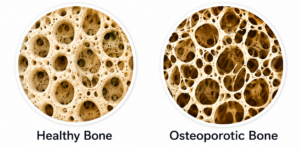
Osteoporosis is a disease that weakens bones, making them fragile and more likely to break. Healthy bones are constantly rebuilding themselves, but as people age, bone loss can outpace bone formation. Over time, bones become less dense and more porous.
According to the National Osteoporosis Foundation, approximately 10 million Americans have osteoporosis, while millions more have low bone density, also called osteopenia. Women are especially at risk after menopause due to decreased estrogen levels, but men can develop osteoporosis, as well.
The condition most commonly affects the hips, spine, and wrists. Fractures caused by osteoporosis can significantly impact mobility and independence, particularly in older adults.
Signs and Symptoms of Osteoporosis
One of the challenges of osteoporosis is that many people do not realize they have it until a bone breaks. In its early stages, osteoporosis rarely causes pain or obvious symptoms.
However, there are warning signs that may indicate weakening bones. They include:
- Loss of height over time
- A stooped posture or hunched back
- Back pain caused by collapsed or fractured vertebrae
- Bones that break more easily than expected
- Fractures occurring after minor falls or routine activities
Who Is at Risk?
Postmenopausal women are among the highest-risk groups, but osteoporosis can affect people of all genders and backgrounds. Several factors can increase the likelihood of developing osteoporosis. Some risk factors cannot be changed, while others are related to lifestyle and overall health. Common risk factors include:
- Age over 50
- Female sex
- Family history of osteoporosis
- Small body frame or low body weight
- Smoking
- Excessive alcohol use
- Lack of physical activity
- Low calcium or vitamin D intake
- Long-term use of steroid medications
- Certain medical conditions, including rheumatoid arthritis, thyroid disorders, and celiac disease
Diagnosing Osteoporosis
The most common test used to diagnose osteoporosis is a bone mineral density test, often called a DEXA scan. This quick and painless imaging test measures the density and strength of your bones. Just as importantly, this test can be done right here in Big Bear at BVCHD’s imaging center. Just ask your primary care doctor or internal medical doctor to prescribe it.
The Centers for Disease Control and Prevention recommends discussing screening with your healthcare provider if you are:
- A woman age 65 or older
- A man age 70 or older
- Postmenopausal with additional risk factors
- Someone who has experienced fractures after minor injuries
Treatment Options for Osteoporosis
Although osteoporosis cannot be completely reversed, treatment can help slow bone loss, improve bone strength, and reduce the risk of fractures. Treatment plans may include:
- Medications: Several medications are available to help strengthen bones or slow bone breakdown. Common options include bisphosphonates, hormone-related therapies, and other newer medications designed to stimulate bone growth. Your healthcare provider will recommend the most appropriate treatment based on your age, medical history, fracture risk, and bone density results.
- Calcium and Vitamin D: Calcium is essential for strong bones, while vitamin D helps the body absorb calcium effectively. Many adults do not get enough of either nutrient through diet alone. The National Institutes of Health Office of Dietary Supplements recommends that adults over age 50 increase their calcium intake to support bone health. Vitamin D recommendations may vary depending on age and individual risk factors.
- Exercise and Physical Activity: Regular physical activity helps maintain bone density and improve balance, coordination, and muscle strength. Beneficial activities include walking, hiking (tons of opportunities here in Big Bear Valley), dancing, resistance training, balance exercises and low-impact aerobics. Exercise also helps reduce the risk of falls, which are a leading cause of fractures in older adults.
Fall Prevention
For older adults, maintaining balance and strength through exercise can also help prevent dangerous falls. Small changes in the home can significantly reduce injury risk. Helpful safety measures include:
- Removing tripping hazards
- Installing handrails and grab bars
- Improving indoor lighting
- Wearing supportive footwear
- Having regular vision checks
Preventing Osteoporosis Before It Starts
The good news is that bone health habits developed today can make a meaningful difference later in life. Prevention should begin early, but it is never too late to support stronger bones.
Eat a Bone-Healthy Diet: A balanced diet rich in calcium, vitamin D, protein, fruits, and vegetables supports bone strength. If dietary intake is insufficient, supplements may be recommended by your healthcare provider. Foods beneficial for bone health include:
- Dairy products
- Leafy green vegetables
- Fortified cereals and beverages
- Salmon and sardines
- Almonds
- Beans
Stay Active: Weight-bearing exercises encourage bones to remain strong. Activities such as walking, climbing stairs, and strength training are especially helpful.
For individuals living in mountain communities like Big Bear Lake, outdoor activities such as hiking and walking can provide both physical and mental health benefits while supporting bone strength.
Avoid Smoking and Excessive Alcohol: Smoking weakens bones and interferes with the body’s ability to absorb calcium. Excessive alcohol use can also increase fracture risk and contribute to falls.
Living Well with Osteoporosis
A diagnosis of osteoporosis does not mean giving up an active, fulfilling lifestyle. With proper treatment, nutrition, exercise, and fall prevention strategies, many people continue to live independently and remain physically active.
The key is awareness. Osteoporosis Awareness Month serves as an important reminder that bone health matters at every age. By recognizing risk factors early and making healthy lifestyle choices, individuals can take proactive steps to protect their bones and maintain their quality of life.
If you have concerns about osteoporosis or would like to discuss bone density screening, speak with your healthcare provider. Early action today may help prevent fractures and preserve independence tomorrow.