General and Specialized Eye Care for Bear Valley Residents
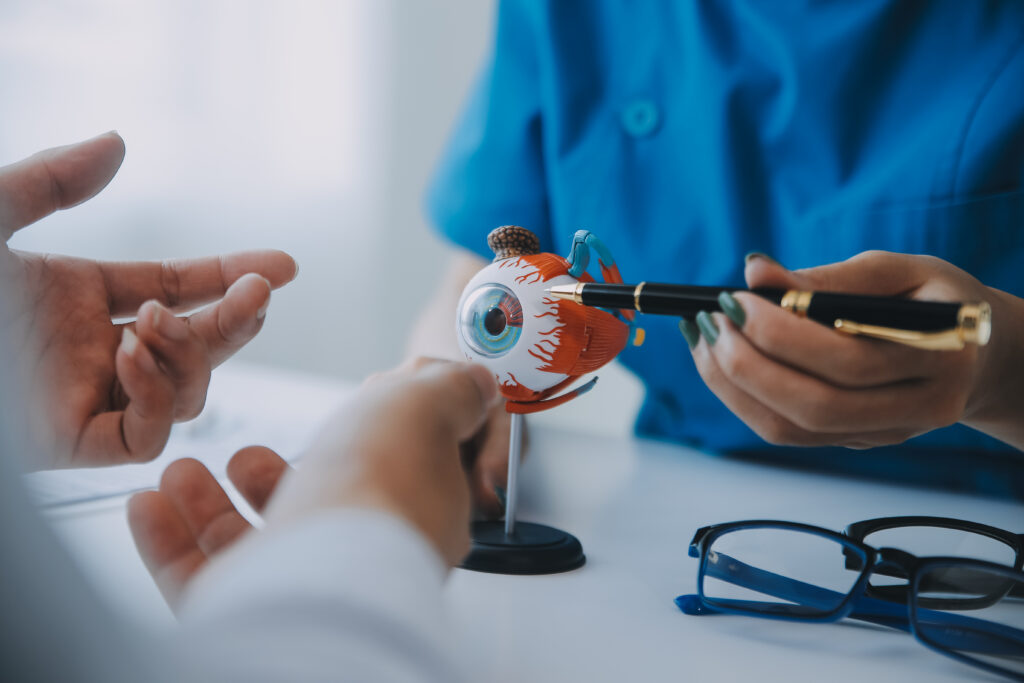
Whether young or old, it’s essential to see an eye doctor regularly to keep your vision in check. But which type of doctor should you see — an optometrist or an ophthalmologist?
In general, an optometrist (a doctor of optometry) is the right choice if you’re looking for a simple eye exam. However, if you’re experiencing more complicated medical conditions or symptoms, you may wish to see an ophthalmologist (a doctor of medicine who focuses on eye and vision care). In either case, BVCHD has you covered, offering both optometry and ophthalmology services here in Bear Valley.
Ophthalmologist vs. Optometrist: What’s the Difference?
If you’ve ever had a simple eye exam, you most likely saw an optometrist. Optometrists are like primary care doctors for the eyes. They’re trained to perform eye exams, perform vision testing, provide prescriptions for eyeglasses and contacts, and to treat or monitor conditions like dry eye.
Ophthalmologists, on the other hands, are medical doctors who focus on medical conditions of the eye. While they can perform eye exams and vision services, they play an important role in diagnosing, treating and performing surgery on eye- and vision-related health issues. These include issues like retinopathy, cataracts, glaucoma, corneal disease, retinal detachment and eye injury. Ophthalmolgoists can also determine if you would be a good candidate for vision correction surgery like LASIK.
Both optometrists and ophthalmologists can diagnose common eye issues such as farsightedness, nearsightedness, macular degeneration and astigmatism. Depending on the seriousness of the condition, an optometrist or ophthalmologist may be appropriate.
Ophthalmologic Surgery
In addition to ophthalmologic care, BVCHD is equipped to provide ophthalmologic surgeries including cataract, corneal, retinal and glaucoma surgery right here in Big Bear. Residents no longer need to leave the mountain for specialized ophthalmologic surgical care. To determine if you are a candidate for the above surgeries, schedule an appointment with our ophthalmologist, Dr. David Yomtoob.
When Should I Schedule an Eye Exam?
If you’re experiencing issues like blurry vision, floaters/flashing, double vision, eye infection, light sensitivity or eye pain, you should likely schedule an appointment for an eye exam. You should also consider scheduling an eye exam if you have experienced an eye injury or if your eyesight has considerably worsened since your last appointment.
Even without severe eye symptoms, it’s recommended that adults under 40 get their eyes checked every five to 10 years; those 40 to 54 get their eyes checked every two to four years; and those older than 55 get their eyes checked everyone to three years. Those with diabetes should have their eyes checked yearly.
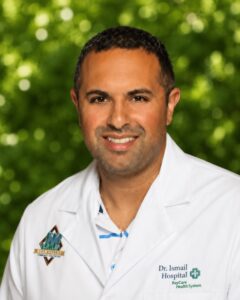
DAVID YOMTOOB, MD (Ophthalmology)
Dr. Yomtoob was raised in the Dallas/Fort Worth area and joined the BVCHD team in 2022. He earned his degree at Texas Tech University Health Sciences Center in Lubbock. Following, he did an internship at Hennepin Healthcare, as well as a residency in ophthalmology at the University of Minnesota. He also completed a fellowship focused on glaucoma at the University of California, Irvine.
Dr. Yomtoob is board certified by the American Board of Ophthalmology.
In his spare time, Dr. Yomtoob enjoys playing golf (even though he is “not good at it”) and loves the Dallas Cowboys (even though “they suck.”) He has three young children, along with a cat, a dog and numerous chickens.
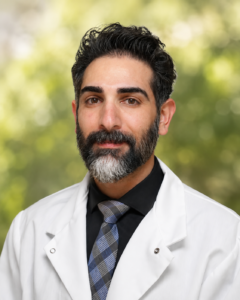
ERIC SAIDI, OD (Optometrist)
Call 909-878-8246 (Dr. Saidi) or 714-771-2020 (Dr. Yomtoob) for availability and to schedule your appointment!
Address
Bear Valley Community Hospital
41870 Garstin Dr.
Big Bear Lake, CA 92315