
Risk of skin cancer is higher for those living at higher elevation. Get informed. Stay safe. Screen regularly.
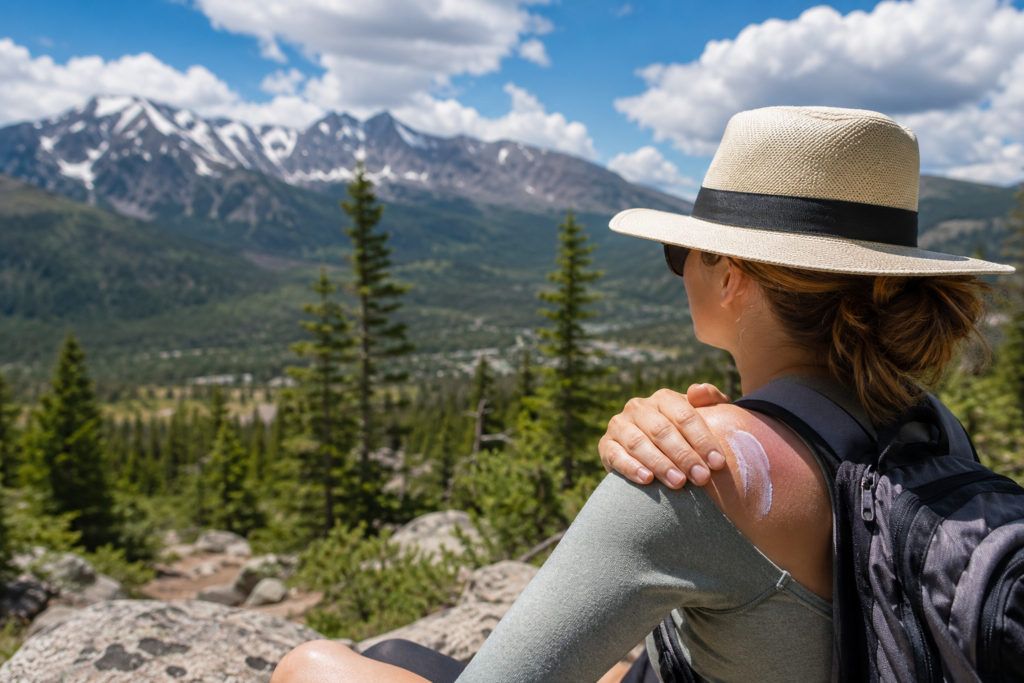
Living in a beautiful mountain community has undeniable benefits. Clean air, outdoor recreation, breathtaking scenery, and an active lifestyle all contribute to health and wellness. But for residents of high-elevation communities, especially those like Big Bear, located some 6,700 feet above sea level, there is an often-overlooked health risk that deserves year-round attention: skin cancer.
Skin cancer is the most common cancer in the United States, and mountain residents face an increased risk because ultraviolet (UV) radiation intensifies at higher elevations. Whether you spend your time hiking, skiing, fishing, gardening, biking, or simply enjoying sunny mountain days, protecting your skin is essential.
Why Elevation Matters
Many people associate sunburns and skin damage with hot summer beach days. However, UV exposure is often stronger in mountain environments, even when temperatures are cool.
At higher elevations, the atmosphere is thinner and provides less protection from UV radiation. According to the American Cancer Society, UV exposure increases with altitude, putting people who live or vacation in mountain regions at greater risk for skin damage and skin cancer.
Mountain communities also face additional environmental factors that increase UV exposure:
- Snow reflects UV rays, intensifying exposure during winter sports and outdoor activities.
- Outdoor lifestyles often mean prolonged time in the sun year-round.
- Cooler temperatures can create a false sense of safety because people may not feel the heat associated with sunburns.
- Clear mountain air allows more UV radiation to reach the skin.
Even cloudy days are not completely protective. UV rays can penetrate cloud cover and damage skin cells.
Understanding Skin Cancer
Skin cancer occurs when skin cells are damaged, most commonly by UV radiation from the sun or tanning beds. Over time, this damage can lead to abnormal cell growth.
The three main types of skin cancer are:
Basal Cell Carcinoma: This is the most common form of skin cancer. It often appears as a pearly bump, a sore that does not heal, or a scaly patch. While it tends to grow slowly, it can become locally destructive if untreated.
Squamous Cell Carcinoma: This type may appear as a red, scaly patch, wart-like growth, or open sore. It can spread deeper into the skin and occasionally to other parts of the body if not caught early.
Melanoma: Melanoma is the deadliest form of skin cancer because it can spread rapidly to other organs. It may develop in an existing mole or appear as a new dark or irregular spot on the skin. Early detection dramatically improves outcomes.
Anyone Can Get Skin Cancer
One of the biggest misconceptions about skin cancer is that it only affects people with fair skin. While lighter skin tones do carry higher risk, skin cancer can affect people of every age, ethnicity, and skin tone.
Additional risk factors include:
- History of frequent sunburns
- Family history of skin cancer
- Personal history of skin cancer
- Spending large amounts of time outdoors
- Having many moles or atypical moles
- Use of tanning beds
- Older age
- Certain medications or immune system conditions
For mountain residents, cumulative sun exposure over years of outdoor living can significantly increase risk.
Warning Signs You Should Never Ignore
Early skin cancers are often highly treatable, which is why awareness matters. Pay attention to any skin changes and seek medical evaluation if you notice:
- A new mole or growth
- A mole that changes in size, color, or shape
- A sore that does not heal
- Bleeding, itching, or crusting skin lesions
- A spot that looks different from others on your body
The “ABCDE” rule can help identify possible melanoma:
- A (Asymmetry): One half does not match the other
- B (Border): Irregular or blurred edges
- C (Color): Multiple colors or uneven coloring
- D (Diameter): Larger than about 6 millimeters
- E (Evolving): Changing over time
If you notice any concerning changes, schedule an appointment promptly.
Why Screening is So Important
Regular skin cancer screenings save lives because they help detect cancer early, before it becomes more difficult to treat.
Unfortunately, many people delay screenings because they assume a suspicious spot is harmless or because they feel healthy otherwise. Skin cancer often develops slowly and painlessly, making it easy to overlook.
A professional skin exam performed by a healthcare provider or dermatologist can identify concerning lesions that patients may not notice themselves. The American Academy of Dermatology notes that early detection greatly improves treatment success, especially for melanoma.
For rural mountain communities, screening is particularly important because:
- Residents may experience decades of increased UV exposure.
- Outdoor occupations and recreation are common.
- Access to specialty care can sometimes require travel.
- Delayed diagnosis may lead to more advanced disease.
Screenings are generally quick, noninvasive, and can provide peace of mind. Your primary care doctor or internist can provide regular screenings.
How Often Should I Be Screened?
The right screening schedule depends on your personal risk factors. People with a history of skin cancer, frequent sun exposure, fair skin, or many moles may need more frequent exams.
In general:
- Perform monthly self-skin checks at home.
- Schedule regular professional skin exams as recommended by your healthcare provider.
- Seek evaluation promptly for any changing or suspicious lesions.
Do not wait until something becomes painful or severe. Early-stage skin cancers are often easier to treat and may require less extensive procedures.
Everyday Sun Protection Tips for Mountain Communities
Fortunately, small daily habits can make a major difference in reducing skin cancer risk.
Wear Sunscreen Every Day: Choose a broad-spectrum sunscreen with SPF 30 or higher and reapply every two hours when outdoors, especially after sweating or swimming.
Protect More Than Your Face: Commonly missed areas include ears, neck, scalp, lips, hands, and the tops of your feet.
Dress for Protection: Wide-brimmed hats, UV-blocking sunglasses, and sun-protective clothing provide important barriers against UV rays.
Seek Shade During Peak UV Hours: UV rays are strongest between approximately 10 a.m. and 4 p.m.
Use Extra Caution Around Snow and Water: Reflective surfaces intensify UV exposure. Skiers, snowboarders, anglers, and boaters may experience significant UV exposure even on cold days.
Avoid Tanning Beds: Indoor tanning exposes skin to harmful UV radiation and significantly increases skin cancer risk.
Check the UV Index: Mountain communities often experience high UV index levels. Monitoring the daily UV forecast can help guide sun protection decisions.
Protecting Children and Teens
Childhood sunburns can increase the risk of skin cancer later in life. Families in mountain communities should make sun safety part of everyday routines from an early age.
Encourage children to:
- Wear hats and sunglasses
- Apply sunscreen before outdoor activities
- Take breaks in shaded areas
- Avoid prolonged midday sun exposure
Creating healthy habits early can provide lifelong protection.
A Community-Wide Commitment to Prevention
Skin cancer prevention is not about avoiding the outdoors. Mountain living offers tremendous physical and emotional health benefits. The goal is to enjoy outdoor life safely and responsibly.
Community awareness, regular screenings, and preventive habits can help reduce skin cancer risk while supporting healthy, active lifestyles for residents of all ages.
If you have never had a skin exam, or if it has been several years since your last screening, now is a good time to schedule one. Early detection can make all the difference.
Frequently Asked Questions About Skin Cancer at Elevation
Why is skin cancer risk higher at high elevations like Big Bear?
Higher elevations receive stronger ultraviolet (UV) radiation because the atmosphere is thinner and filters less UV exposure. Mountain communities like Big Bear Lake also experience additional UV exposure from reflective surfaces such as snow and water. Even cool or cloudy days can still expose your skin to harmful UV rays, increasing the risk of sun damage and skin cancer over time.
How often should I get screened for skin cancer?
Most people should perform monthly self-skin checks and schedule professional skin exams based on their personal risk factors. Those with frequent sun exposure, a history of sunburns, many moles, or previous skin cancer may need more frequent screenings. Early detection is important because skin cancer is often easier to treat when found early.
What are the warning signs of skin cancer?
Common warning signs include a new mole or growth, a sore that does not heal, changes in the size or color of a mole, or lesions that itch, bleed, or crust over. The ABCDE rule can help identify possible melanoma: asymmetry, irregular borders, uneven color, diameter larger than 6 mm, and evolving appearance over time.
Does skin cancer impact all skin tones?
Yes. Skin cancer can affect people of every skin tone, age, and ethnicity. While individuals with lighter skin may have a higher overall risk, all skin is vulnerable to UV damage and skin cancer. Regular skin checks, sun protection, and awareness of changing skin lesions are important for everyone.
What are the best ways to protect your skin in mountain communities?
Daily sun protection is essential at high elevation. Use broad-spectrum SPF 30+ sunscreen, wear hats and UV-blocking sunglasses, seek shade during peak sunlight hours, and reapply sunscreen every two hours when outdoors. Extra caution is important around snow and water because reflective surfaces intensify UV exposure.
References and Resources
- Centers for Disease Control and Prevention – Skin Cancer Prevention
- Centers for Disease Control and Prevention – Skin Cancer Awareness
- American Academy of Dermatology – How to Prevent Skin Cancer
- American Academy of Dermatology – Free Skin Cancer Checks
- American Cancer Society – UV Risk Factors
- American Cancer Society – Skin Cancer Prevention