
Keeping your skin and eyes safe from UV exposure when living in Big Bear
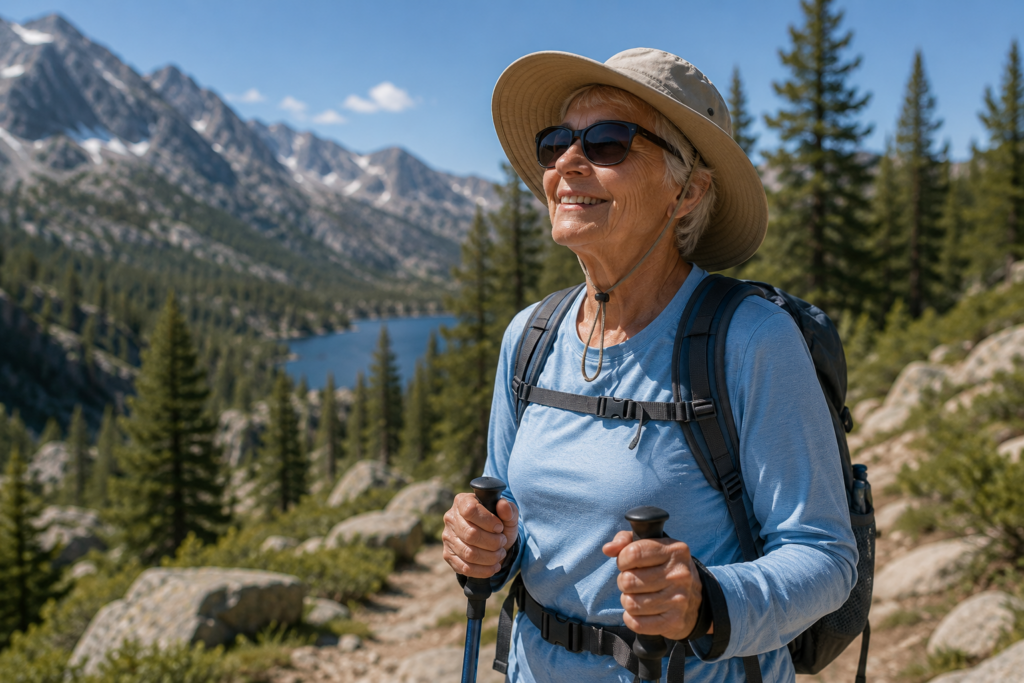
July is UV Safety Month, a reminder that protecting your skin and eyes from ultraviolet (UV) radiation is important at every age. While many people associate sun safety with beach vacations and summer heat, residents of mountain communities like Big Bear face unique risks that often go unnoticed.
At nearly 6,700 feet above sea level, Big Bear’s beautiful mountain environment comes with stronger UV exposure than many lower-elevation communities. Whether you’re gardening, hiking, fishing, golfing, walking the dog, or simply enjoying time on the deck, protecting yourself from UV radiation should be part of your daily routine, especially for older adults.
Why UV Exposure Is Stronger at Higher Elevations
The higher you go, the less atmosphere there is to filter the sun’s ultraviolet rays. Research has shown that UV radiation increases with elevation, meaning mountain residents are exposed to stronger UV levels than people living closer to sea level.
In Big Bear, this effect is noticeable year-round. Even on cool days, cloudy mornings, or during winter months, UV rays can still reach your skin. Snow can also reflect UV radiation, increasing exposure to the face and eyes during the winter season.
Many residents are surprised to learn that temperature has little to do with UV intensity. You can receive significant UV exposure on a 60-degree mountain day even when it doesn’t feel hot outside.
Why Seniors Should Pay Particular Attention to Big Bear’s UV levels
Big Bear is home to a large population of older adults who enjoy active, outdoor lifestyles. While staying active is one of the best things you can do for your health, it’s also important to recognize that the effects of UV exposure accumulate over a lifetime. By age 65 or 70, many individuals have already experienced decades of sun exposure. The damage caused by UV radiation adds up over time, increasing the risk of basal cell carcinoma, squamous cell carcinoma, melanoma, cataracts, premature skin aging and eye conditions related to UV damage.
The CDC notes that adults over age 50 are among those at higher risk for harmful effects from UV radiation. Additionally, some medications commonly prescribed to older adults (including certain antibiotics, blood pressure medications, and anti-inflammatory drugs) can increase sensitivity to sunlight. If you take prescription medications, ask your healthcare provider or pharmacist whether sun precautions are recommended.
Skin Cancer Is the Most Common Cancer in the United States
Skin cancer affects millions of Americans each year and is the most common form of cancer in the United States. The majority of skin cancers are linked to ultraviolet radiation exposure. The three main types include:
Basal Cell Carcinoma: The most common skin cancer. It often appears as a shiny bump, pink growth, or sore that doesn’t heal.
Squamous Cell Carcinoma: Frequently develops on sun-exposed areas such as the face, ears, scalp, and hands.
Melanoma: Although less common, melanoma is the most dangerous form of skin cancer because it can spread to other parts of the body if not detected early.
Early detection greatly improves treatment outcomes, which is why regular skin checks are important.
Don’t Forget About UV’s Impact on Your Eyes
UV radiation doesn’t just affect your skin. Long-term exposure can also increase the risk of cataracts and other eye conditions that may impact vision. Many Big Bear residents spend significant time outdoors enjoying recreational activities. Wearing sunglasses that block 100% of UVA and UVB rays can help protect your eyes while reducing glare and improving comfort. Wraparound styles offer additional protection by reducing UV exposure from the sides.
Practical UV Safety Tips for Mountain Living
The good news is that protecting yourself from UV radiation doesn’t mean staying indoors. A few simple habits can significantly reduce your risk.
Check the UV Index: The Environmental Protection Agency’s UV Index provides a daily forecast of UV intensity. When the UV Index reaches 3 or higher, extra sun protection is recommended. Many weather apps now display the UV Index alongside temperature forecasts.
Wear Protective Clothing: Long-sleeved shirts, lightweight pants, wide-brimmed hats, and UV-protective clothing can provide excellent protection. A hat with a wide brim helps shield the face, ears, and neck—areas where skin cancers commonly develop.
Use Broad-Spectrum Sunscreen: Choose a broad-spectrum sunscreen with SPF 30 or higher and apply it to all exposed skin. Don’t forget commonly missed areas such as your ears, scalp and hairline, neck, lips, the back of your hands and tops of your feet.
Reapply sunscreen every two hours and after swimming or heavy sweating.
Seek Shade During Peak Hours: UV rays are typically strongest between 10 a.m. and 4 p.m. Whenever possible, schedule outdoor activities earlier in the morning or later in the afternoon.
Protect Your Eyes: Wear sunglasses labeled as providing 100% UVA and UVB protection. Pair them with a hat for additional coverage.
Know When to Get Checked: See a healthcare provider if you notice a new mole or growth; a sore that won’t heal; changes in the color, shape, or size of a mole; or persistent itching, bleeding, or crusting of a skin lesion.
Many skin cancers are highly treatable when found early. A monthly self-exam can help you become familiar with your skin and identify changes that should be evaluated.
Enjoy the Mountains While Staying UV-Safe
Living in Big Bear offers countless opportunities to enjoy nature, stay active, and spend time outdoors. UV Safety Month (July) is a great reminder that mountain living requires a little extra attention when it comes to sun protection.
Whether you’re tending your garden, enjoying a lakeside walk, hiking local trails, or watching grandchildren play outside, taking simple precautions today can help protect your skin and vision for years to come.
Frequently Asked Questions
Does living at high elevation increase UV exposure?
Yes. UV radiation becomes stronger as elevation increases because there is less atmosphere to filter the sun’s rays. At Big Bear’s elevation of nearly 6,700 feet, residents can receive significantly more UV exposure than people living at sea level. This increased exposure can raise the risk of sunburn, skin cancer, eye damage, and premature skin aging. Wearing sunscreen, protective clothing, and UV-blocking sunglasses is important year-round, even on cool or cloudy days.
Can you get sunburned during the winter in Big Bear?
Absolutely. UV rays are present throughout the year, regardless of temperature. In mountain communities like Big Bear, snow can reflect UV radiation and increase exposure to your skin and eyes. Winter activities such as walking, skiing, snowboarding, and snow play can result in significant sun exposure. Sunscreen, sunglasses, and protective clothing are just as important during the winter months as they are in the summer.
Why are older adults at greater risk from UV exposure?
The effects of UV radiation accumulate over a lifetime. By older adulthood, many people have experienced decades of sun exposure, increasing their risk for skin cancer, cataracts, and other UV-related conditions. Some medications commonly used by seniors can also make skin more sensitive to sunlight. Taking preventive measures such as wearing sunscreen, seeking shade, and monitoring skin changes can help reduce these risks and support healthy aging.
How often should I have my skin checked for skin cancer?
Everyone should pay attention to changes in their skin and report concerning spots to a healthcare provider. People with a history of skin cancer, significant sun exposure, fair skin, or a family history of skin cancer may benefit from regular professional skin examinations. Monthly self-checks can also help identify new or changing moles, sores that do not heal, or unusual growths. Talk with your healthcare provider about the screening schedule that is right for you.
What SPF sunscreen should I use in the mountains?
The American Academy of Dermatology recommends using a broad-spectrum sunscreen with an SPF of 30 or higher. Broad-spectrum products protect against both UVA and UVB rays. Apply sunscreen to all exposed skin at least 15 minutes before going outdoors and reapply every two hours, or more frequently if swimming or sweating. Because UV exposure is stronger at higher elevations, consistent sunscreen use is especially important for mountain residents and visitors.
References and Resources
- CDC Skin Cancer Prevention: https://www.cdc.gov/skin-cancer/prevention/index.html
- CDC Sun Safety Facts: https://www.cdc.gov/skin-cancer/sun-safety/
- CDC Ultraviolet Radiation Information: https://www.cdc.gov/radiation-health/features/uv-radiation.html
- EPA UV Index Forecast: https://www.epa.gov/enviro/uv-index-overview